

KAMPALA — Uganda has become the first country to integrate the economic and fiscal benefits of climate adaptation and resilience investments into sovereign debt sustainability analysis, marking a significant milestone in efforts to reform how climate-vulnerable nations are assessed by global financial markets.
The innovative approach, launched by the Ministry of Finance, Planning and Economic Development, aims to demonstrate how investments in climate resilience contribute to economic growth, strengthen public finances and improve a country's creditworthiness.
Officials say the framework could help unlock affordable financing for countries increasingly exposed to climate-related shocks by ensuring that the long-term benefits of resilience investments are reflected in sovereign risk assessments and credit ratings.
According to an interim report released by the ministry, the initiative seeks to make the returns on resilience investments visible within sovereign debt dynamics and national credit profiles.
Climate change and environmental degradation are increasingly shaping sovereign debt sustainability analyses and credit ratings worldwide. Countries facing heightened climate risks often encounter higher borrowing costs and tighter fiscal conditions, limiting their ability to invest in development priorities.
For Uganda, these challenges are particularly significant given the central role of agriculture and agro-industrialisation in the country's economic transformation agenda.
Agriculture remains a cornerstone of Uganda's Tenfold Growth Strategy but is highly vulnerable to climate change, environmental degradation and external economic shocks. Prolonged droughts, floods and changing weather patterns threaten agricultural productivity, food security and long-term economic stability.
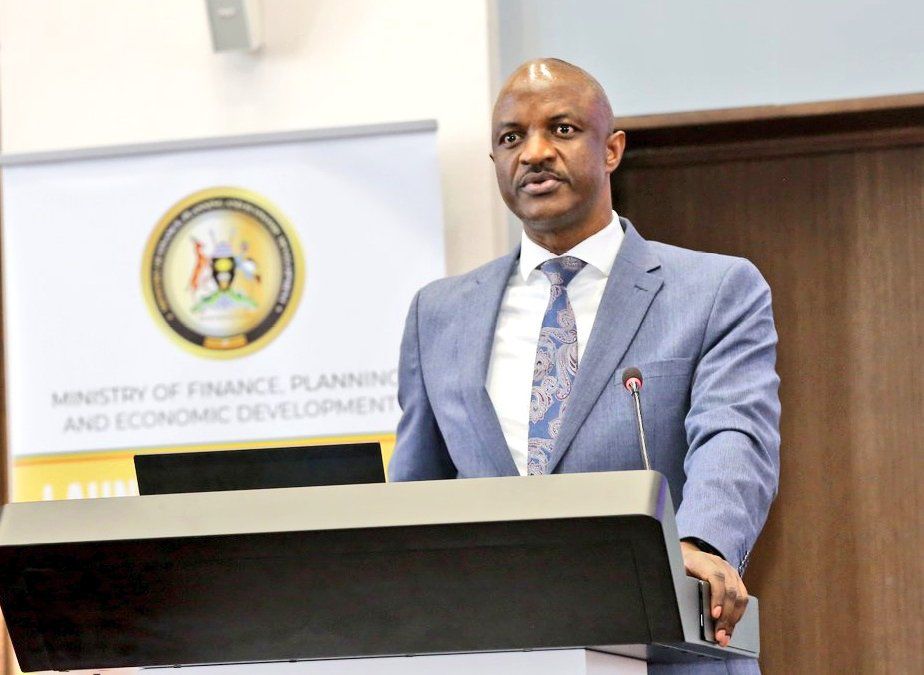
Speaking on the initiative, Ramathan Ggoobi, the Permanent Secretary and Secretary to the Treasury (PSST), said climate adaptation and resilience investments are critical to safeguarding Uganda's development gains.
“Uganda must invest in climate adaptation and resilience to safeguard its development and preserve its creditworthiness,” Dr Ggoobi said.
“These investments are essential for building long-term resilience against escalating climate, nature and terms-of-trade shocks.”
He noted that the current international financial system does not adequately recognise the value created by resilience and adaptation investments.
According to Dr Ggoobi, sovereign risk assessments—which influence investment decisions, access to finance and the cost of borrowing—typically focus on the immediate fiscal costs of resilience projects while overlooking their long-term economic and fiscal benefits.
“The international financial system does not yet adequately recognise adaptation and resilience investments,” he said. “Sovereign risk assessments often capture only the upfront fiscal costs of these investments, without fully reflecting their long-term benefits.”
As a result, countries investing heavily in resilience measures can still face rising borrowing costs and shrinking fiscal space despite reducing future economic risks.
Officials argue that this creates a financing paradox, particularly for developing countries that require affordable capital to strengthen their resilience against climate-related threats.
Dr Ggoobi expressed optimism that Uganda's initiative could inspire broader reforms across the international financial system and encourage other countries to adopt similar approaches.
“Our hope is that other countries will build on this work and join us in making the case for resilience investment,” he said.
“Together, we can help ensure the relevant institutions recognise investment in resilience as not just a fiscal cost, but an investment in sustainable growth, stability and development.”
Uganda's leadership in climate finance is further reflected in its role as Co-Chair of the Coalition of Finance Ministers for Climate Action.
By becoming the first country to apply this methodology, Uganda is providing a practical example of how adaptation and resilience measures can be incorporated into sovereign risk assessments, potentially paving the way for fairer credit ratings and lower borrowing costs for climate-vulnerable economies.
Experts say the initiative could help reshape how financial institutions, investors and credit rating agencies evaluate climate-related investments, ensuring that countries taking proactive steps to address future risks are rewarded rather than penalised.
The move represents a significant step in aligning global financial systems with the realities of climate risk and resilience, positioning Uganda as a pioneer in the growing effort to redefine how sustainable development investments are valued.